Moments of Synergy
Every milestone marks the convergence of collective wisdom and professional strength.
Breakthroughs are never sudden flashes of inspiration; they are the cumulative result of unwavering, relentless focus.
Through the collision of ideas, the drive of experimentation, and the steady passage of time,
concepts take shape, technologies transcend boundaries,
and the year’s most powerful moments are forged.
2025 Chronology
-
01.07
-
02.12
-
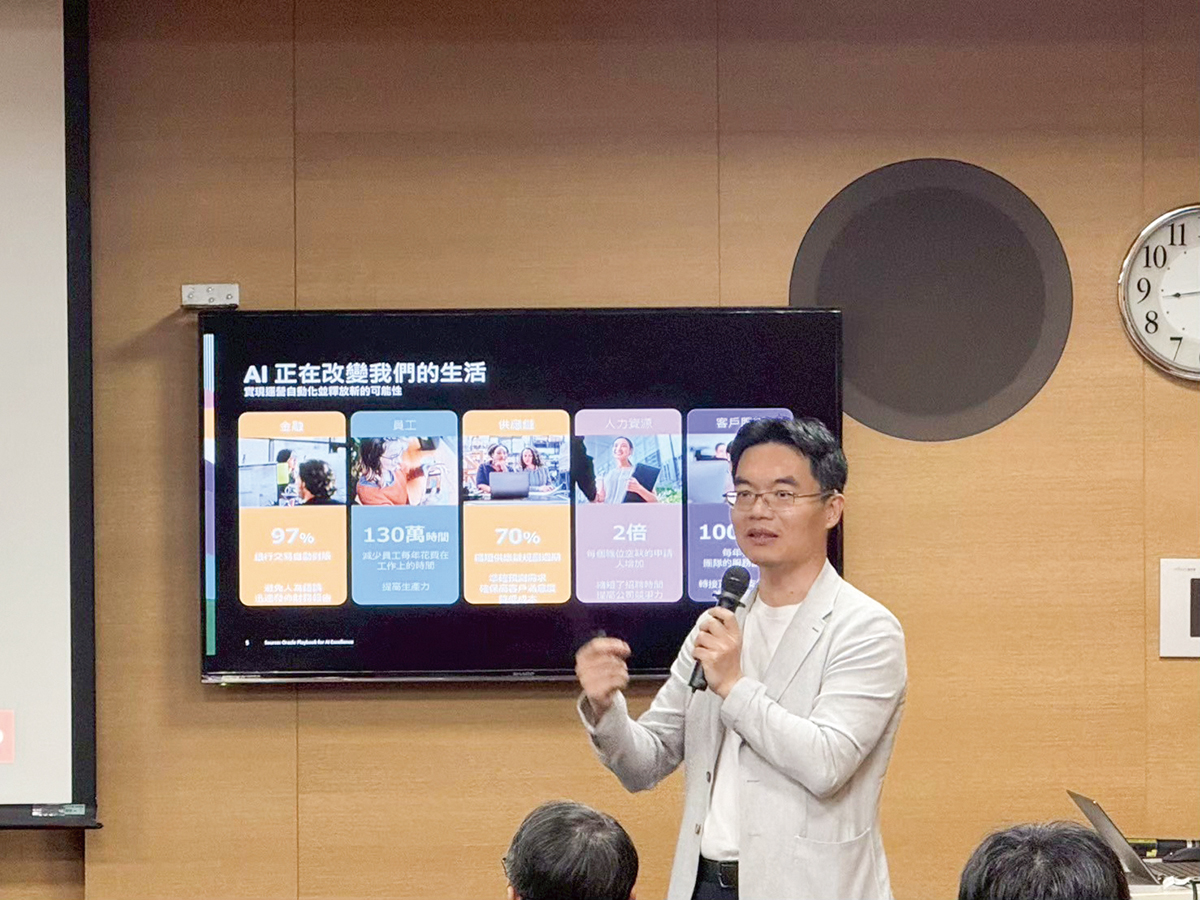
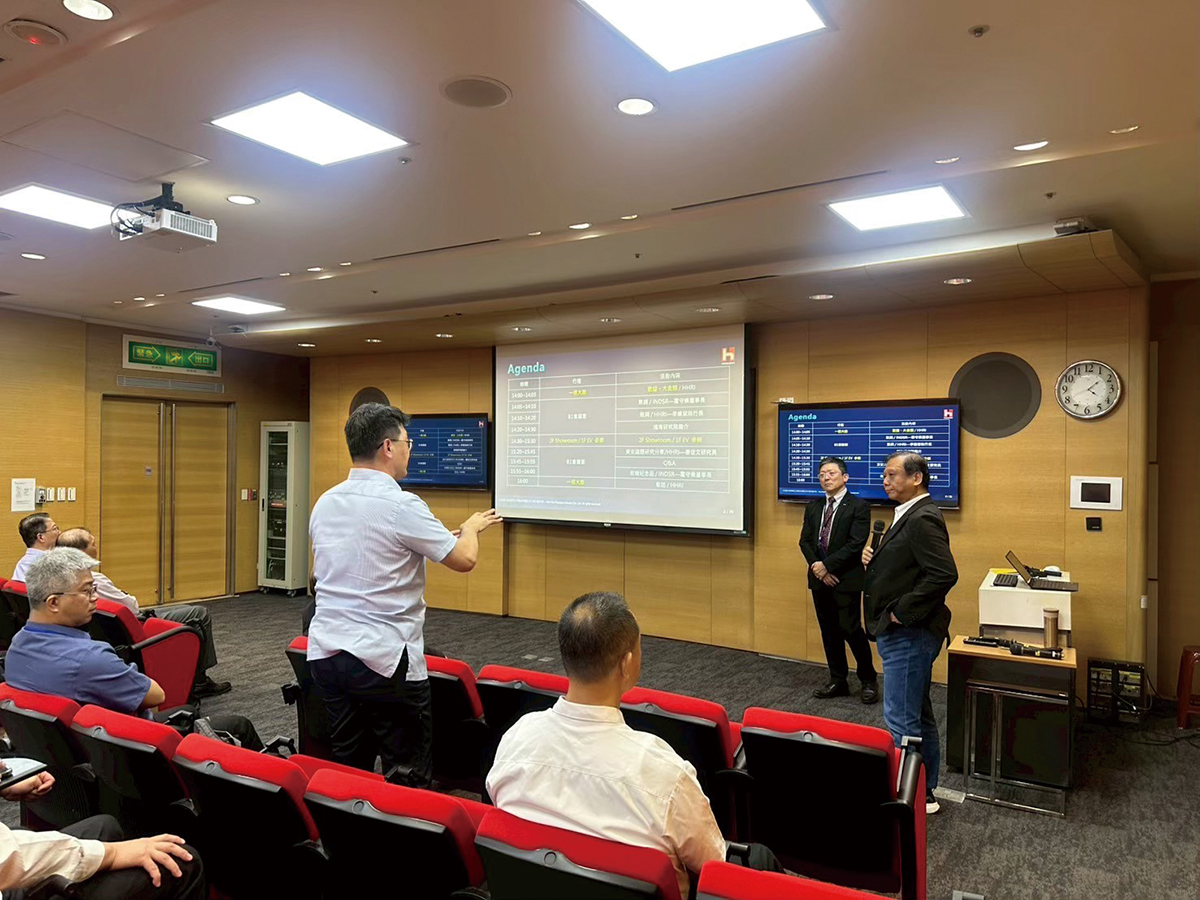
03.07HHRI-NYCU co-hosted an industrial-academic innovation presentation.
-
03.10HHRI announced the launch of Fox Brain, the first traditional Chinese large language model with advanced reasoning capabilities.
-
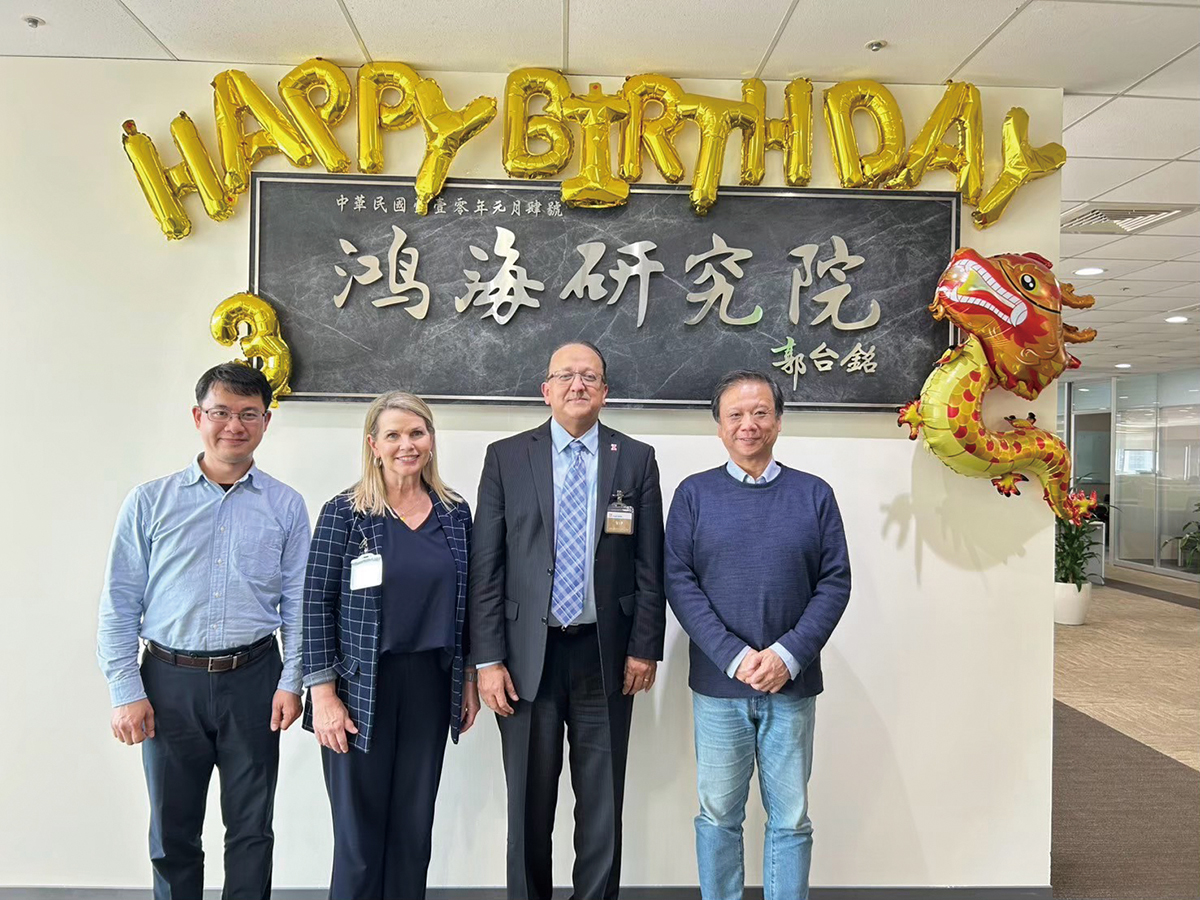
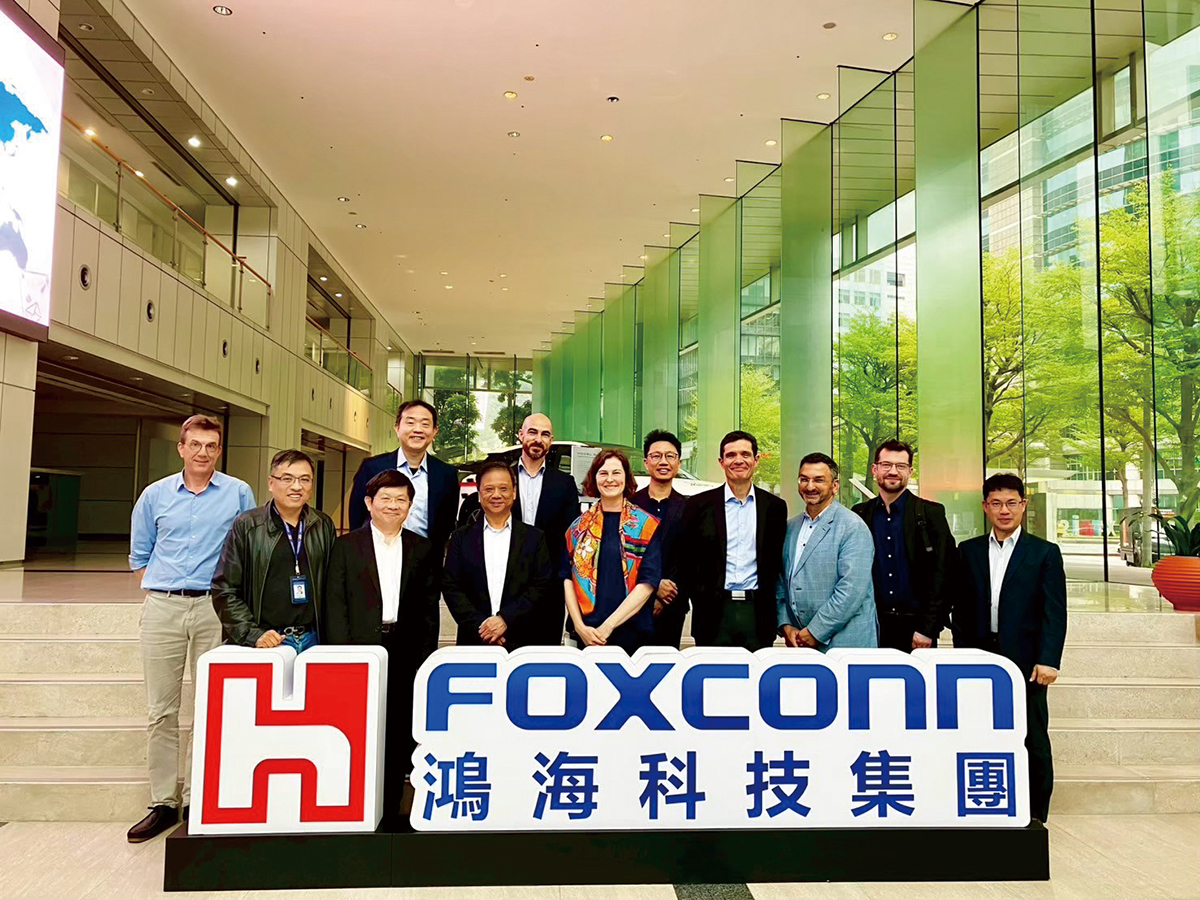
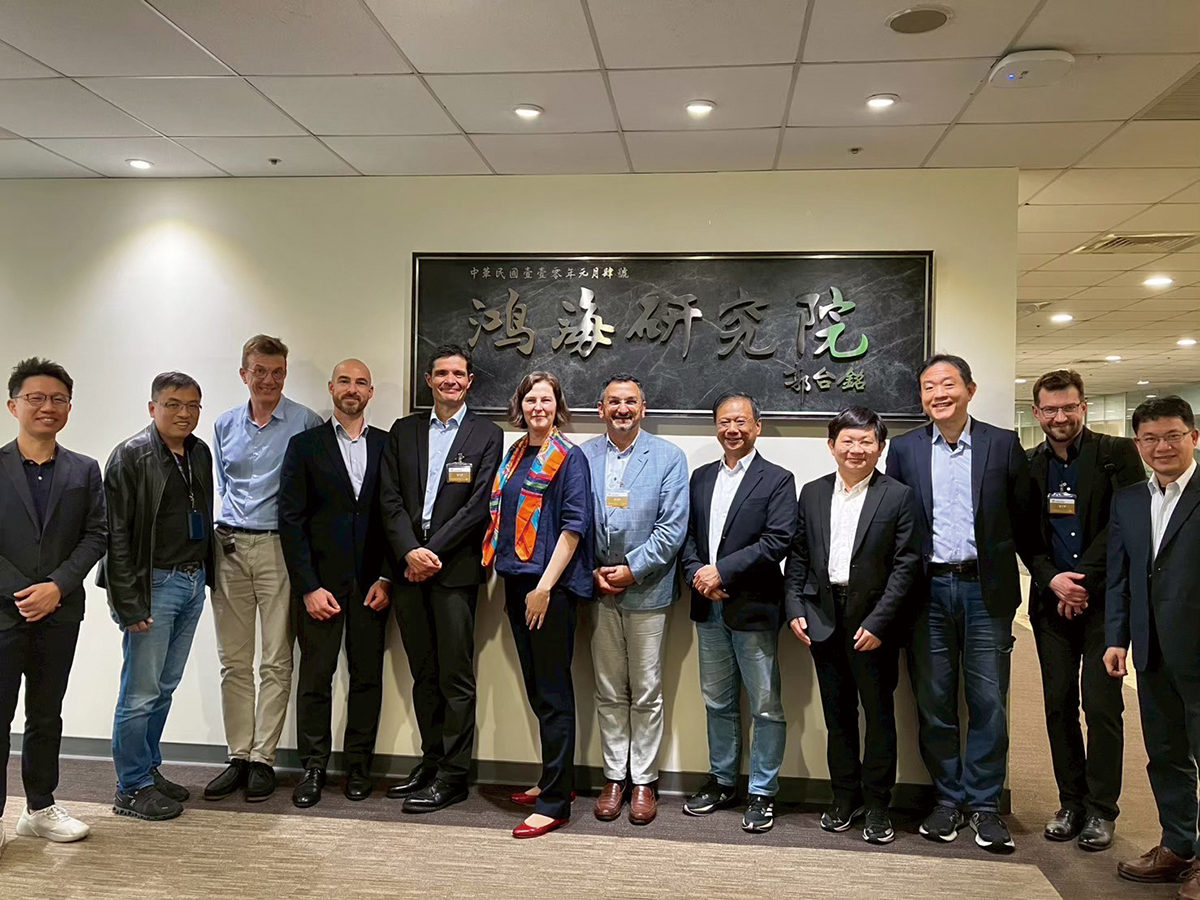
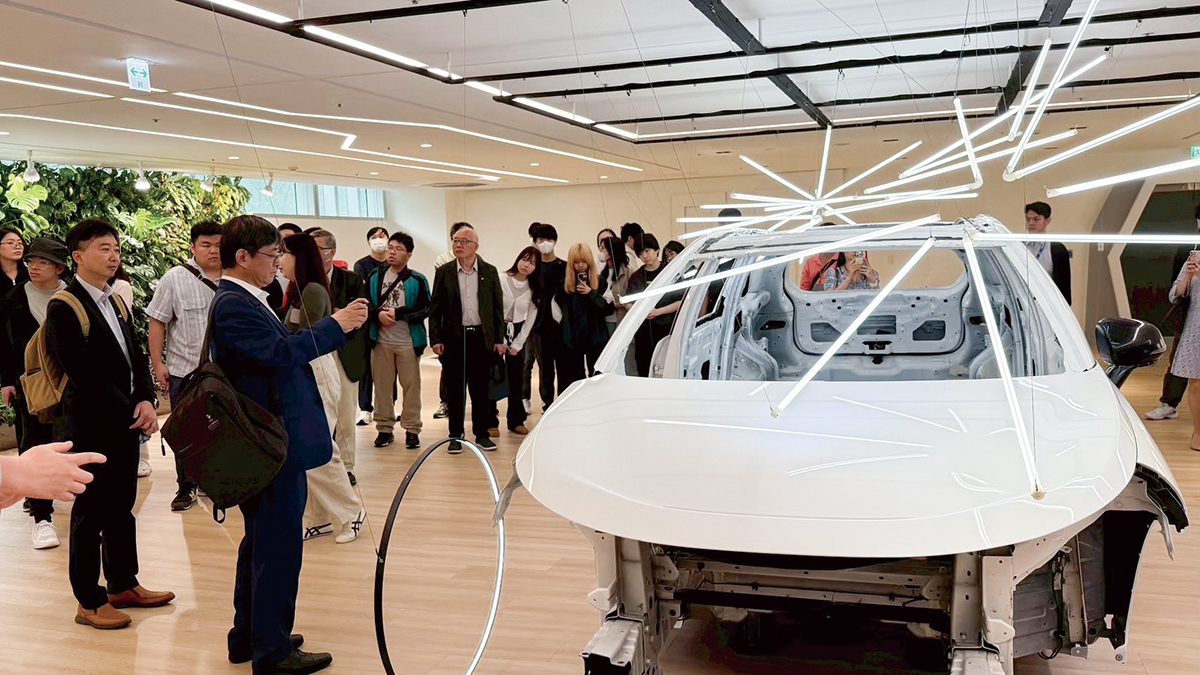
03.11A delegation from the University of Illinois Urbana-Champaign (UIUC) visited HHRI.The Semiconductor Research Center, in collaboration with NYCU, NTU, and Japan's NICT, achieved a breakthrough in asynchronous DPS-QKD technology, enhancing the stability and security of quantum optical communication systems. The results were published in APL Photonics.
-
03.22
-
03.27HHRI held its Q1 General Assembly.
-
04.07The Semiconductor Research Center, in collaboration with NTU and Japan's NICT, developed a Photonic Crystal Surface-Emitting Laser (PhCSEL) featuring an embedded 2D hollow-pyramid structure that advances inter-satellite optical communication technology. The results were published in Photonics Research (March 2025).
-
04.10
-
04.17HHRI, the Taiwan XR Smart Industry Association, and the SID Taipei Chapter co-hosted the Beyond Reality AR/AI Exploration Forum.The Semiconductor Research Center, NYCU, and the University of Texas at Austin achieved breakthrough in 4th-gen semiconductor applications for satellite communications and high-power devices. The results were recognized by both academia and industry, and published in Applied Surface Science Advances and ACS Applied Electronic Materials.
-
04.22
-
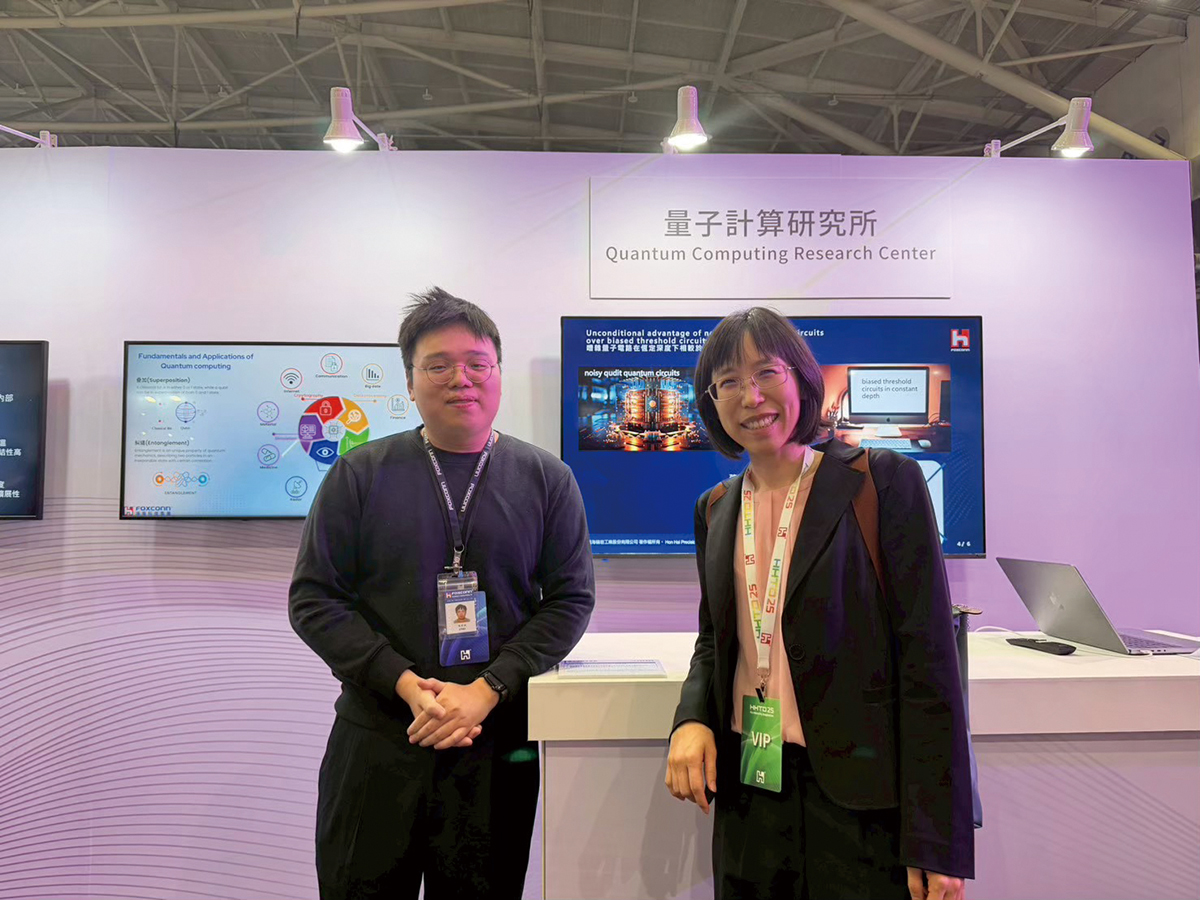
04.29The Quantum Computing Research Center demonstrated that the capabilities of shallow quantum circuits far exceed existing understanding. The results were accepted for publication in Nature Communications, establishing Taiwan’s influence in quantum computing.
-
05.28
-
06.26HHRI held its Q2 General Assembly.
-
07.10The AI Research Center, in collaboration with CityUHK, released the multimodal trajectory prediction model ModeSeq, which was accepted at the IEEE Conference on Computer Vision and Pattern Recognition (CVPR). The improved Parallel ModeSeq model won first place in the Waymo Open Dataset (WOD) Challenge - Interaction Prediction at CVPR WAD Workshop.
-
07.22
-
07.28
-
07.30
-
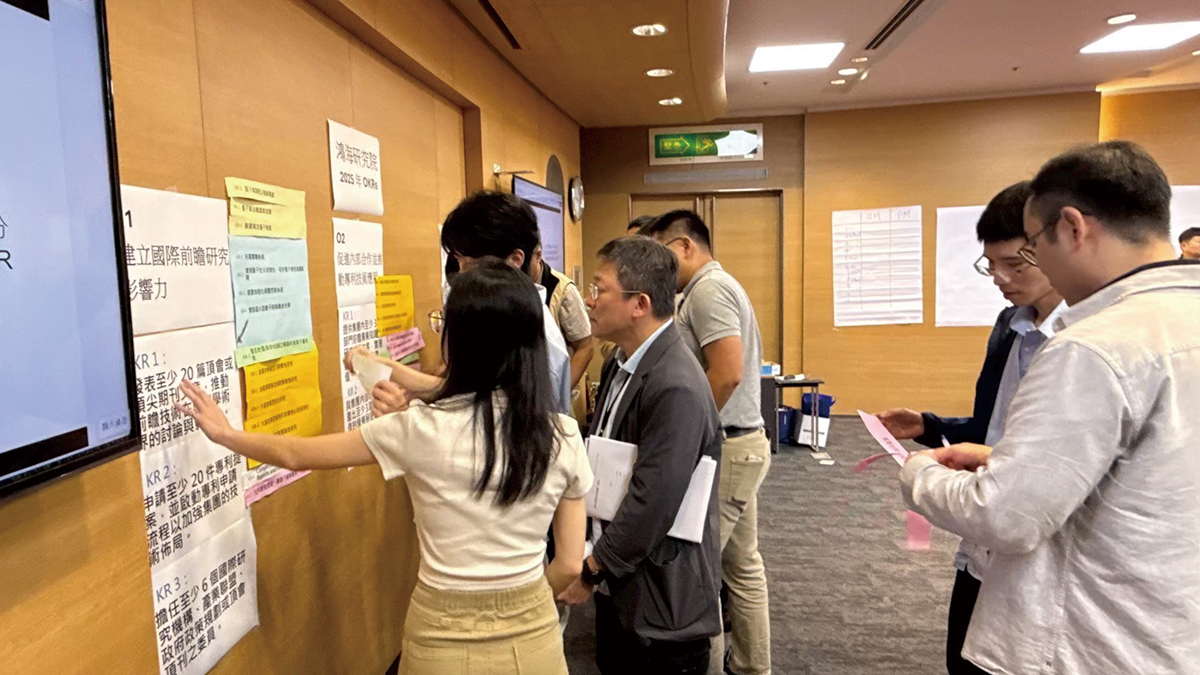
07.31HHRI conducted its Mid-year Research Performance Review.
-
08.05
-
08.21
-
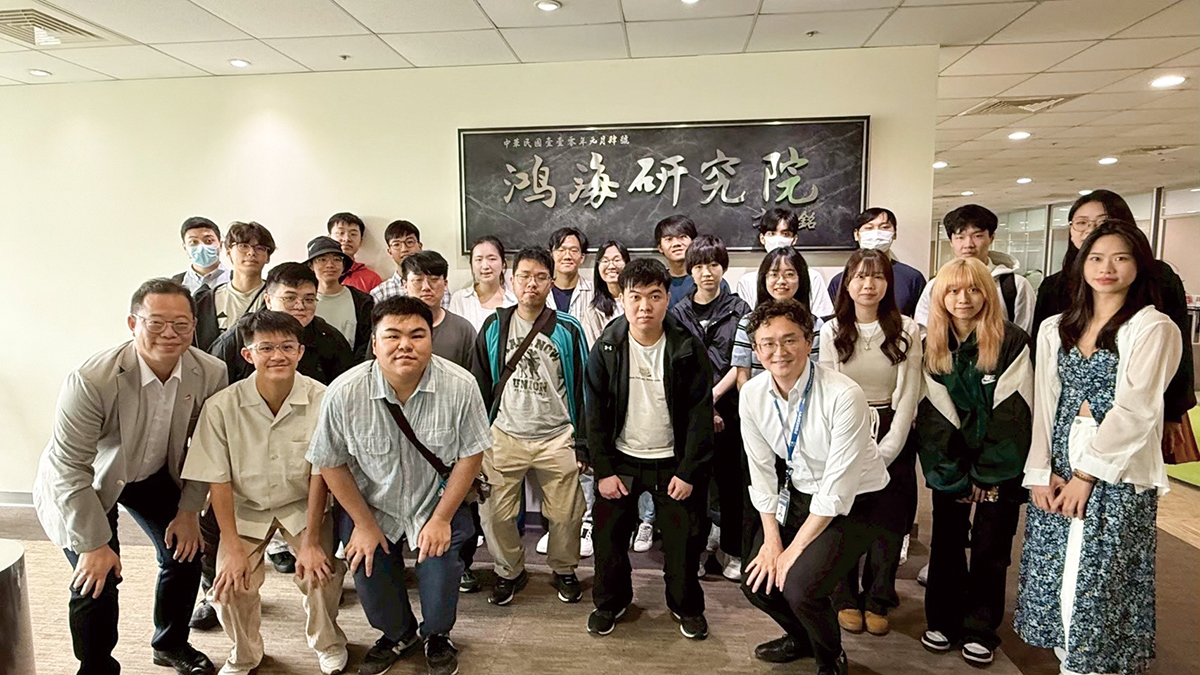
08.26HHRI held its International Internship Research Presentation.
-
08.27
-
09.09
-
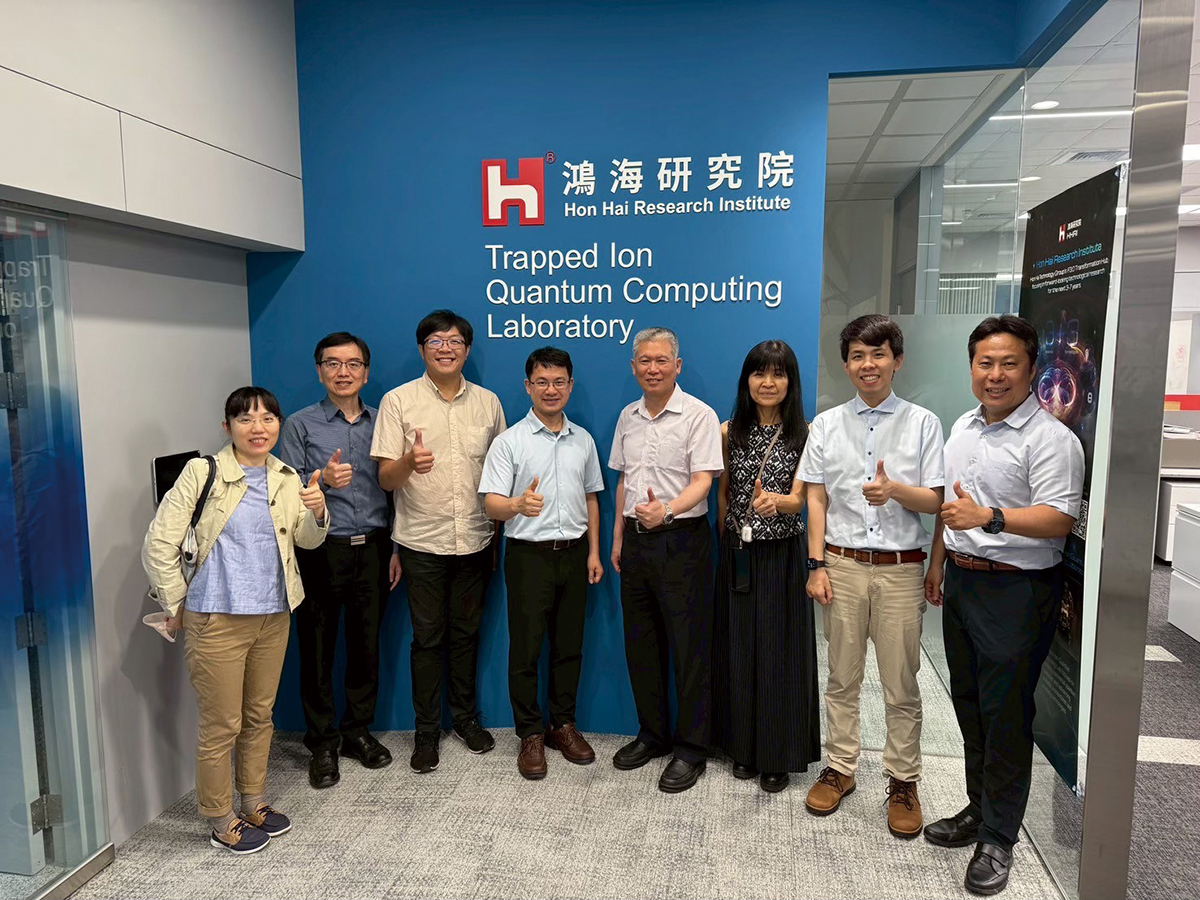
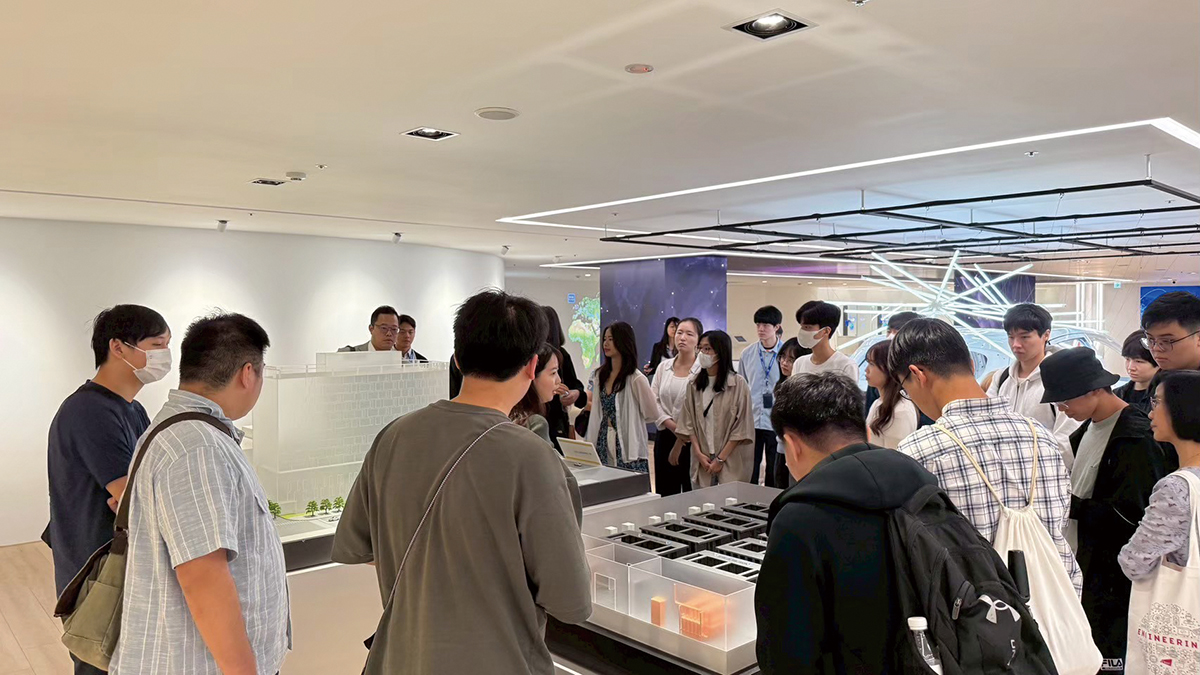
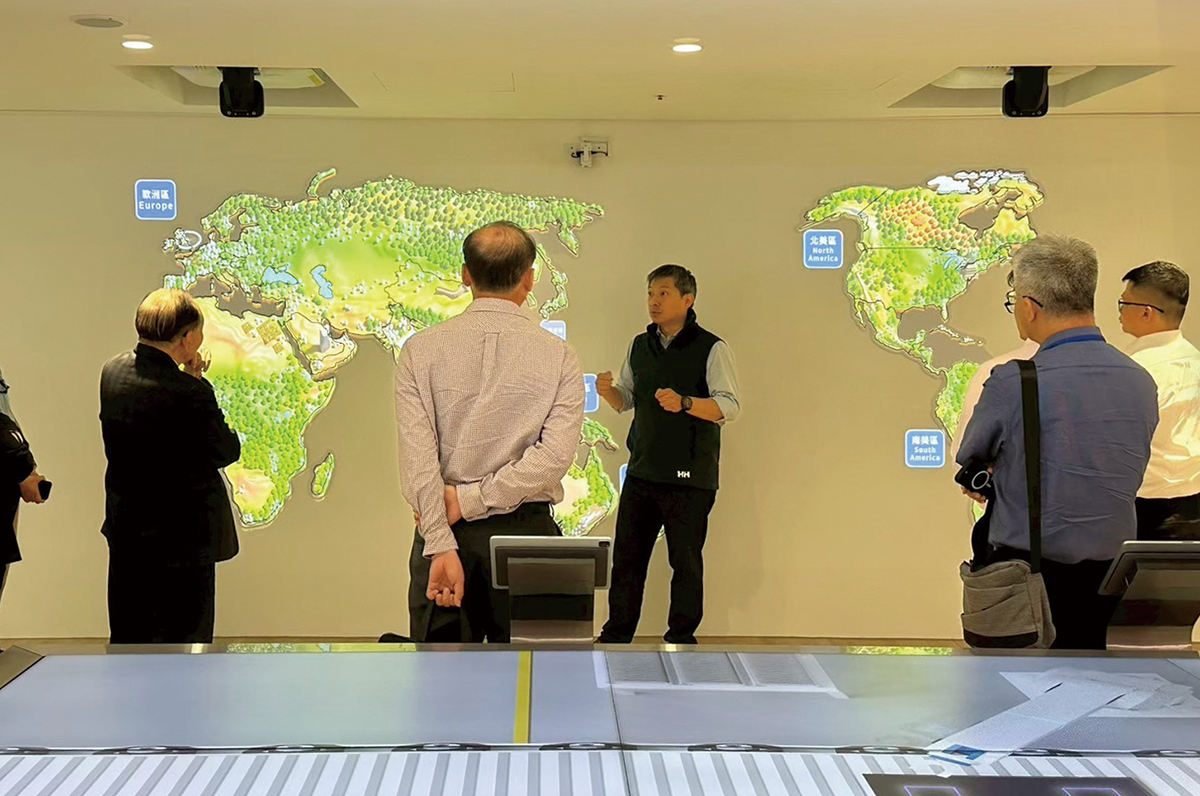
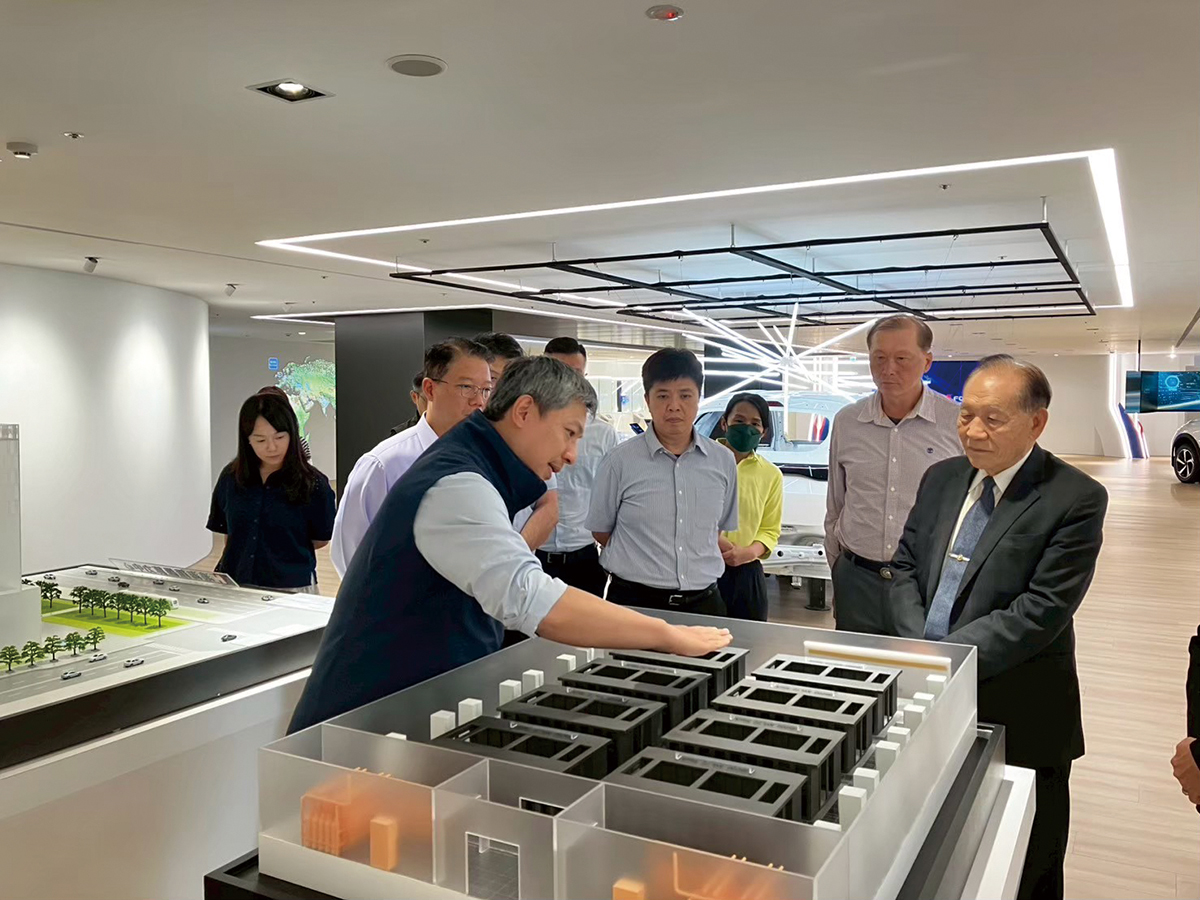
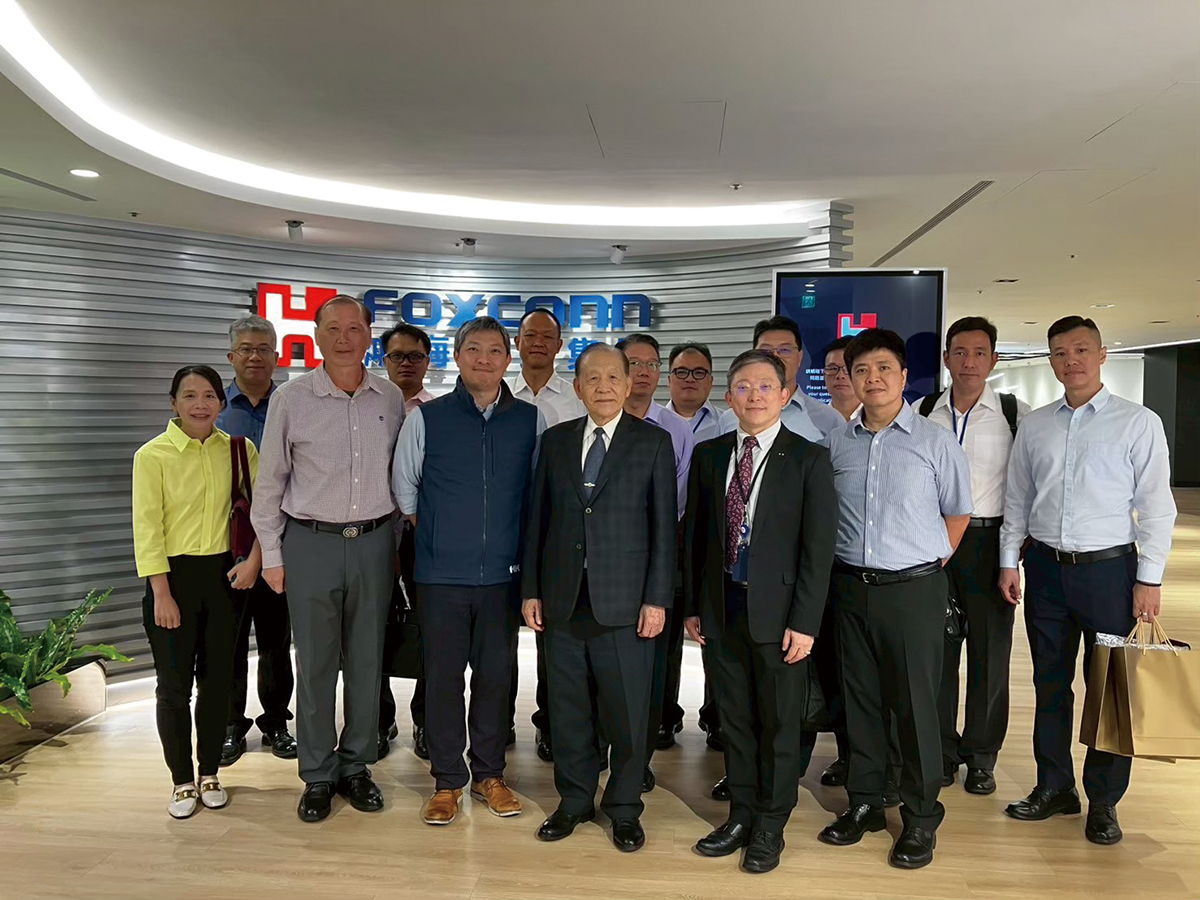
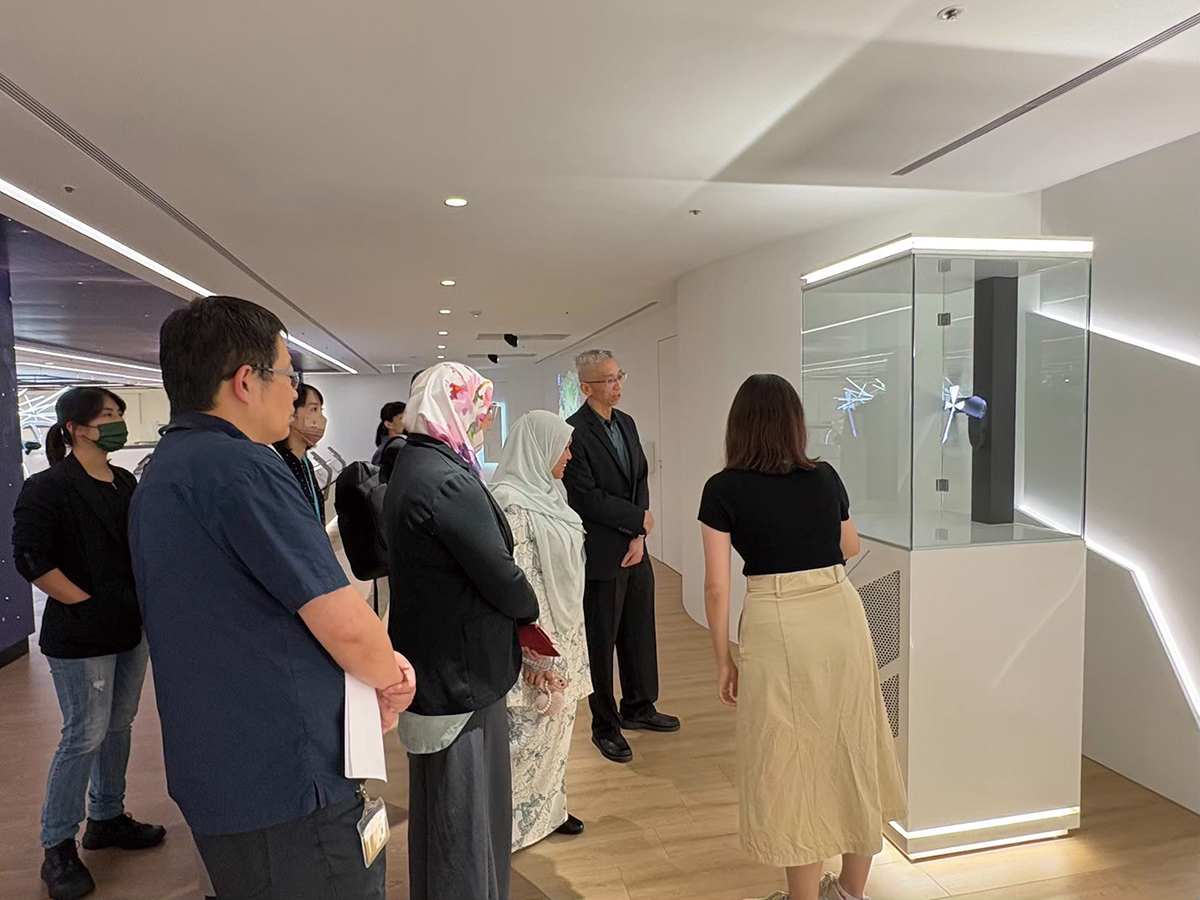
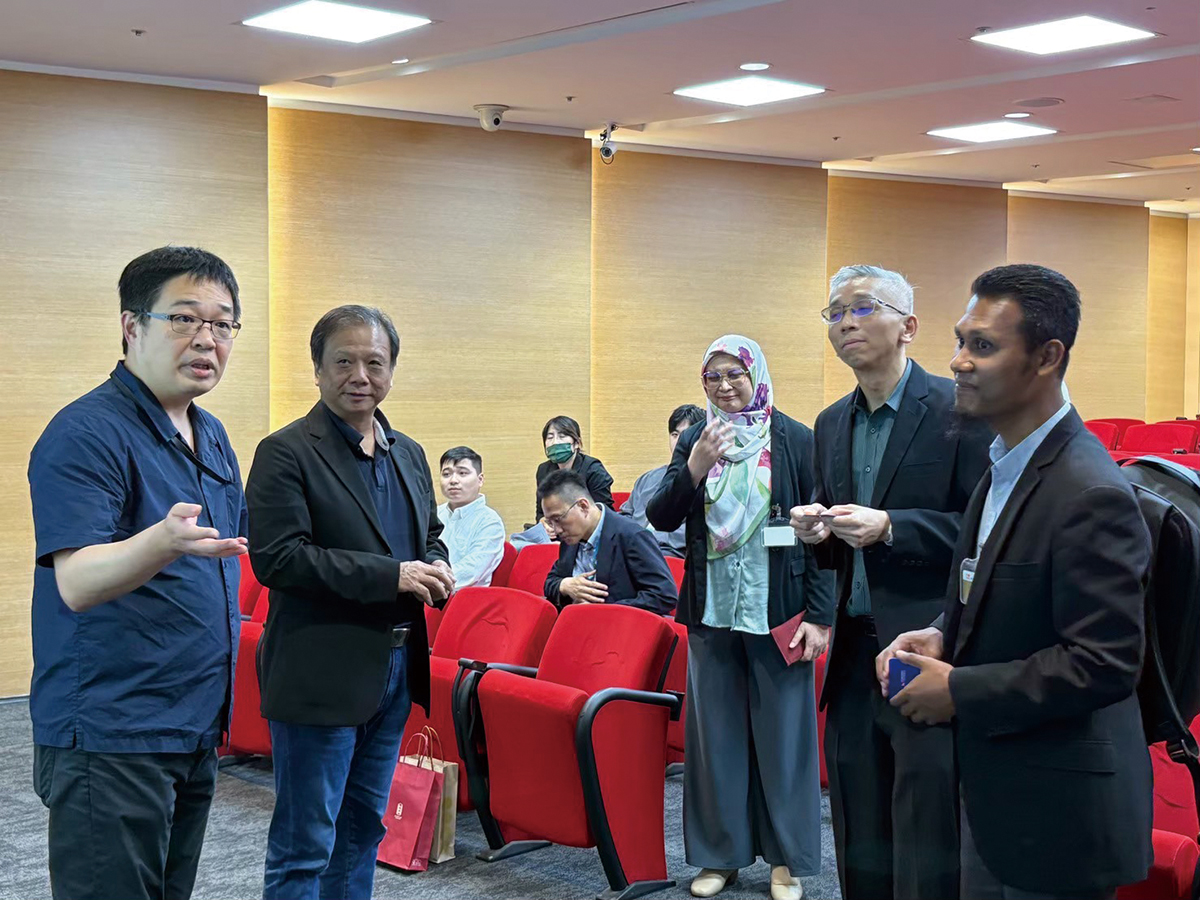
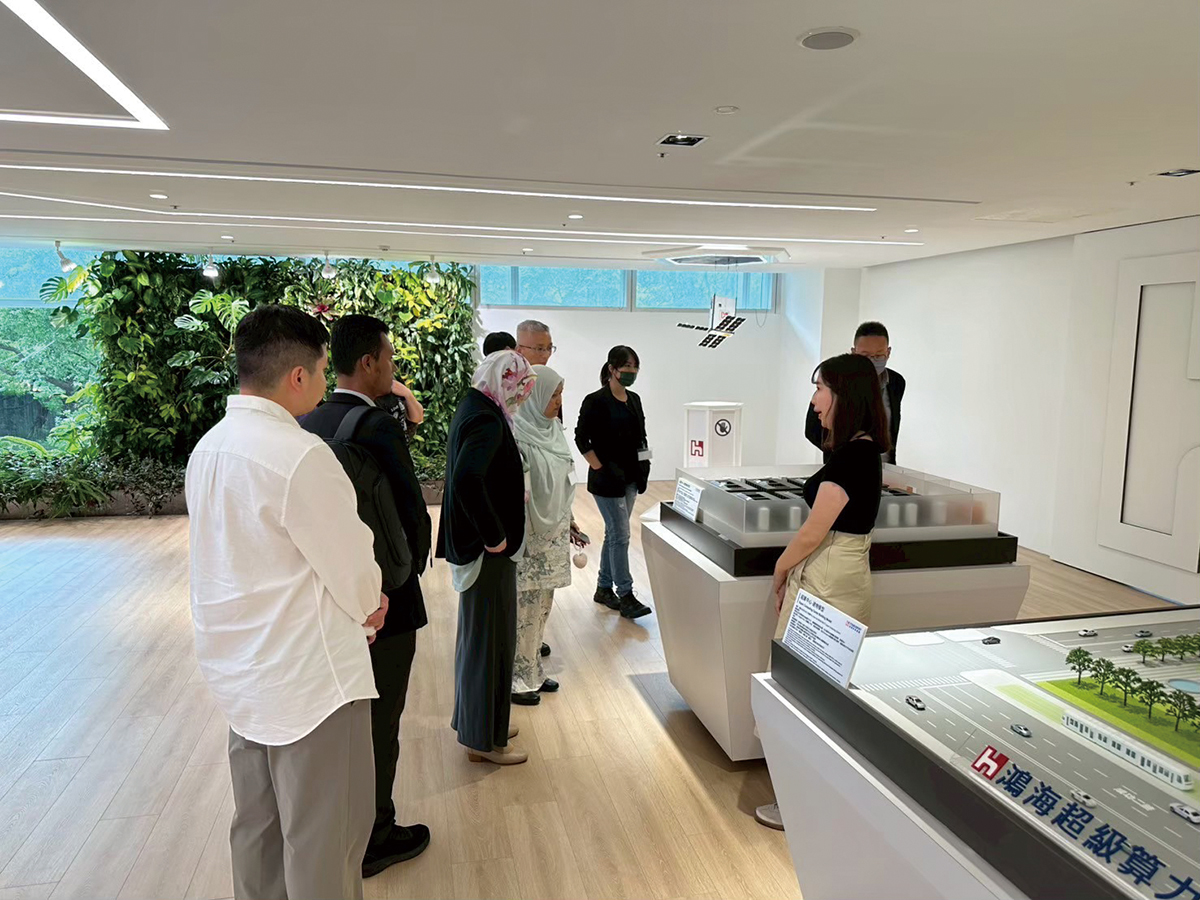
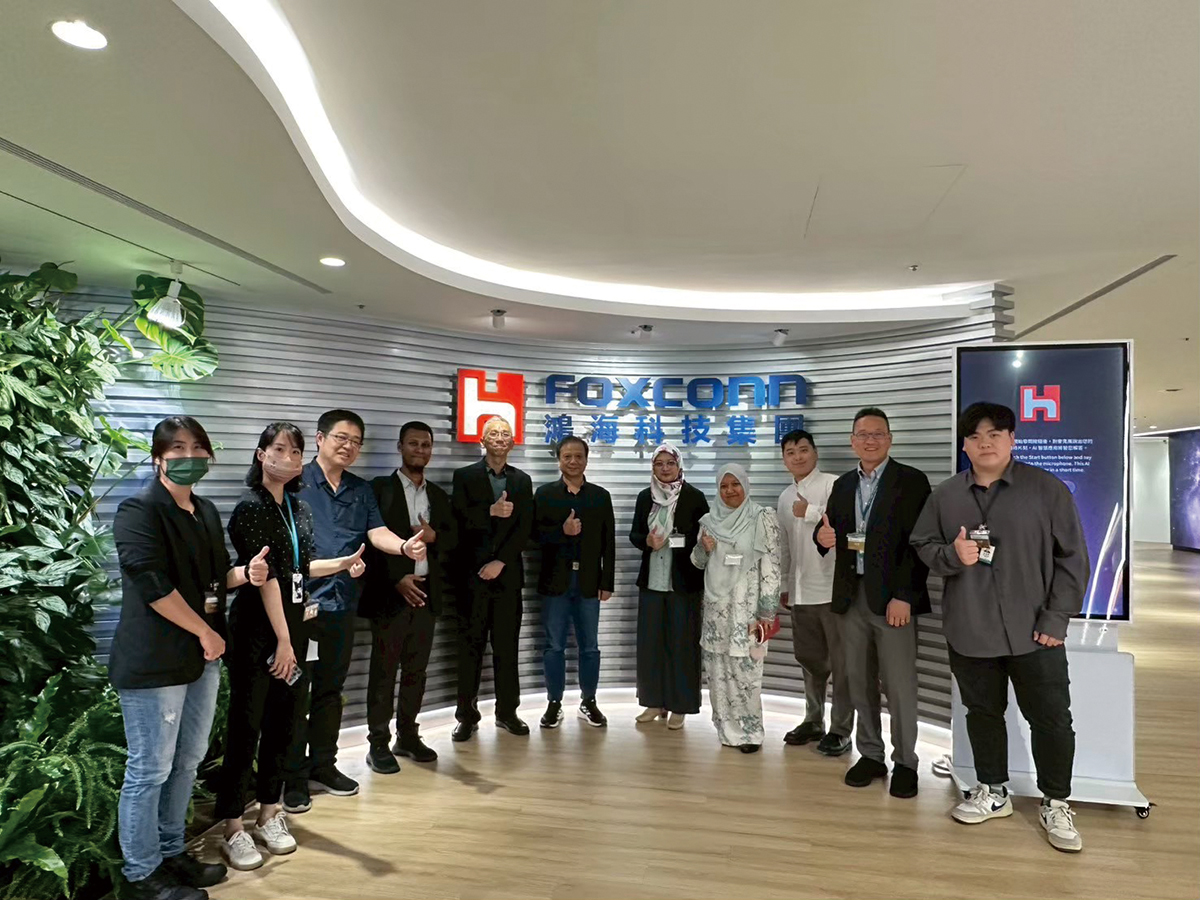
09.25HHRI held its Q3 General Assembly.The National Ilan University delegation visited HHRI.
-
10.13
-
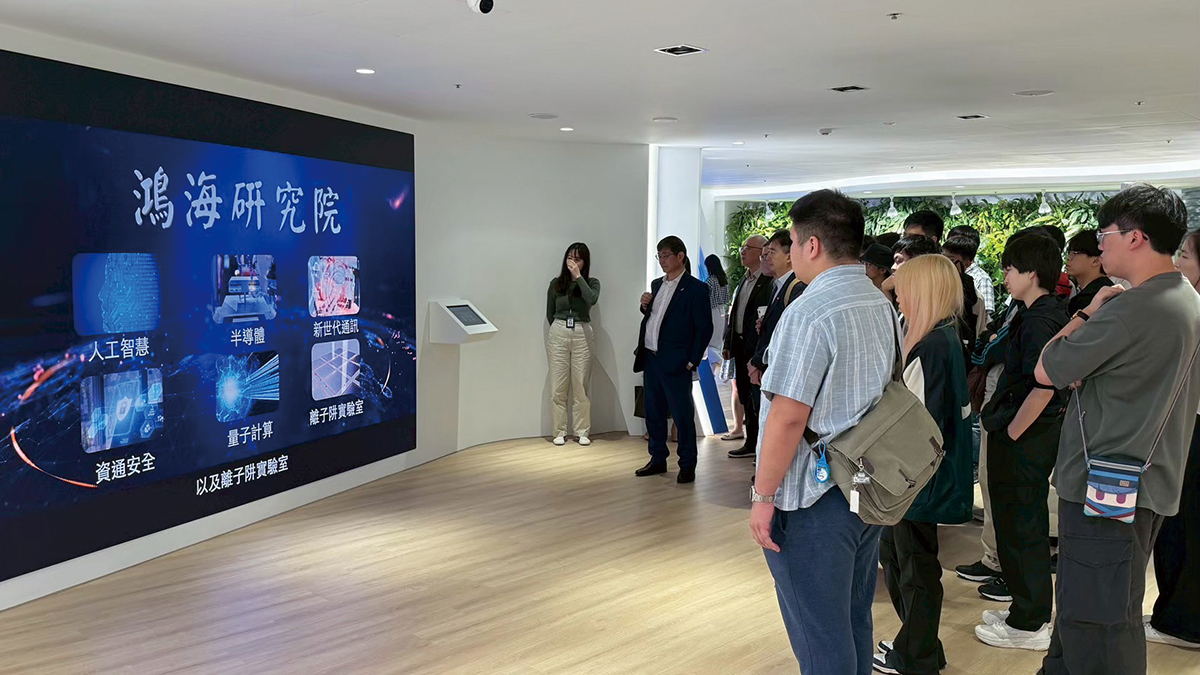
10.16Regional government IT departments (Taoyuan, Hsinchu, and Miaoli) visited HHRI.
-
11.21
-
12.04HHRI held its Q4 General Assembly.
-
12.09
-
12.18HHRI announced its support for the Australian Quantum Software Network (AQSN) Micro & MesoGrant program, committing over NT million to fund early- and mid-career researchers across Australia. The initiative aims to drive collaborative advancements in quantum software and algorithms with HHRI.